
Fashion Week Tokyo is one of the most innovative and culturally distinctive fashion events in the world. Known for its fearless creativity, experimental silhouettes, and fusion of tradition with futuristic design, Fashion Week Tokyo offers a unique perspective that sets it apart from other global fashion capitals. Each season, designers, buyers, media, and fashion enthusiasts gather to experience Japan’s bold vision of contemporary fashion.
Often recognized as Asia’s most influential fashion week, Fashion Week Tokyo serves as a global platform for both established Japanese designers and emerging talents. The event highlights Japan’s strength in conceptual fashion, advanced textiles, sustainability, and streetwear culture—elements that have profoundly shaped global style trends.
In this in-depth guide, we explore the history, structure, designers, trends, global influence, and cultural importance of Fashion Week Tokyo, explaining why it continues to grow as a vital force in the international fashion industry.
What Is Fashion Week Tokyo?
Fashion Week Tokyo is a biannual fashion event where designers present upcoming collections for Spring/Summer and Fall/Winter seasons. Officially known as Rakuten Fashion Week Tokyo, the event is supported by Japan’s fashion industry and global partners.
Why Fashion Week Tokyo Matters Globally
- Showcases Japan’s avant-garde and experimental fashion
- Strong focus on innovation, technology, and sustainability
- Major platform for Asian designers on the global stage
- Influential in streetwear, gender-fluid fashion, and conceptual design
Unlike European fashion weeks that emphasize heritage luxury, Fashion Week Tokyo is defined by originality, freedom of expression, and boundary-pushing creativity.
History and Evolution of Fashion Week Tokyo
Origins of Fashion Week Tokyo
Fashion Week Tokyo officially launched in 2005 as part of Japan’s efforts to strengthen its fashion industry’s international presence. While Japanese designers had already made a significant impact globally, the creation of a centralized fashion week allowed Tokyo to compete with established fashion capitals.
From its early years, Fashion Week Tokyo distinguished itself by prioritizing artistic vision over commercial conformity, giving designers space to experiment and redefine fashion norms.
Growth Into an International Fashion Platform
Over time, Fashion Week Tokyo expanded its reach through digital innovation, livestreams, and global partnerships. Today, it attracts international buyers, editors, and media outlets seeking fresh perspectives beyond traditional Western fashion.
Fashion Week Tokyo Schedule and Structure
When Does Fashion Week Tokyo Take Place?
Fashion Week Tokyo is held twice a year, typically in:
- March/April for Fall/Winter collections
- August/September for Spring/Summer collections
Each edition lasts approximately one week and features runway shows, presentations, exhibitions, and digital showcases.
Official Show Calendar
The event schedule includes:
- Runway shows by established and emerging designers
- Digital fashion presentations and livestreams
- Sustainability-focused showcases
- Experimental and conceptual fashion events
This structure allows Fashion Week Tokyo to remain flexible, innovative, and inclusive.
Designers Who Define Fashion Week Tokyo
Influential Japanese Designers
Fashion Week Tokyo has been instrumental in spotlighting Japanese designers who challenge global fashion conventions, including:
- Comme des Garçons – Avant-garde design and conceptual silhouettes
- Issey Miyake – Innovation in fabric technology and movement
- Yohji Yamamoto – Deconstructed tailoring and poetic minimalism
Although many of these designers also show internationally, their influence is deeply rooted in the philosophy showcased at Fashion Week Tokyo.
Emerging Designers and New Voices
One of the greatest strengths of Fashion Week Tokyo is its commitment to emerging talent. Young designers use the platform to explore:
- Gender-neutral fashion
- Upcycled and sustainable materials
- Technology-driven textiles
- Conceptual storytelling through clothing
Fashion Trends Shaped by Fashion Week Tokyo
Avant-Garde and Experimental Design
Fashion Week Tokyo is known for pushing creative boundaries. Common themes include:
- Oversized and deconstructed silhouettes
- Layered styling and asymmetry
- Bold graphic prints and unconventional materials
- Futuristic and dystopian aesthetics
These trends often influence global fashion months or even years later.
Streetwear and Urban Influence
Tokyo’s street culture plays a major role in shaping collections at Fashion Week Tokyo. The city’s fashion districts inspire designers to merge luxury with streetwear, creating styles that resonate with younger global audiences.
Fashion Week Tokyo and Sustainability
Innovation in Sustainable Fashion
Sustainability is a core focus of Fashion Week Tokyo. Designers frequently explore:
- Recycled and upcycled fabrics
- Zero-waste pattern cutting
- Ethical production methods
- Longevity-focused design
Rather than following trends, Fashion Week Tokyo approaches sustainability as a long-term creative responsibility.
Global Influence of Fashion Week Tokyo
Impact on International Fashion
While smaller in scale than Paris or Milan, Fashion Week Tokyo holds outsized influence due to its originality. Many global designers and brands draw inspiration from Tokyo’s experimental approach to fashion.
Concepts such as gender-fluid clothing, oversized tailoring, and conceptual minimalism gained international traction after appearing at Fashion Week Tokyo.
Media and Digital Reach
Fashion Week Tokyo has embraced digital platforms early, allowing global audiences to experience collections through livestreams and social media. This digital-first mindset has strengthened its international relevance.
Men’s Fashion at Fashion Week Tokyo
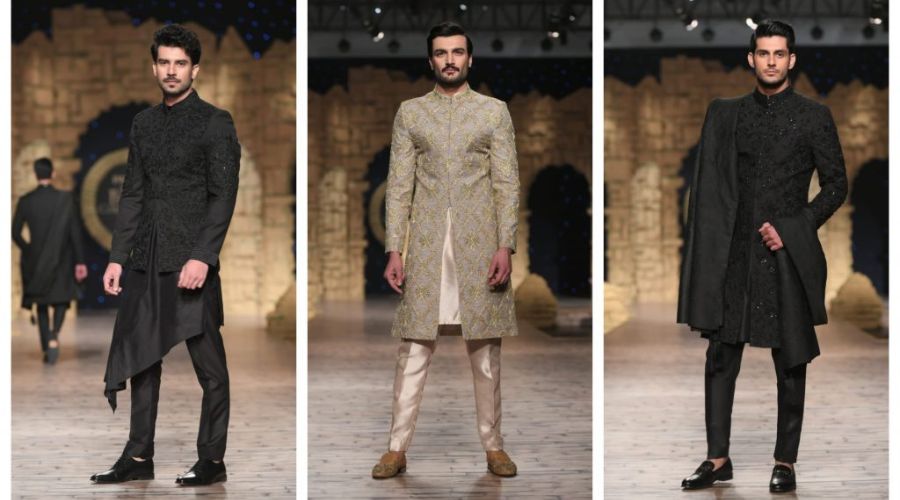
A Leader in Menswear Innovation
Tokyo is widely regarded as one of the most influential cities for men’s fashion. Fashion Week Tokyo menswear showcases:
- Progressive tailoring
- Relaxed silhouettes
- Functional and utilitarian design
- Gender-neutral styling
Many global menswear trends trace their origins to Tokyo’s runways.
How to Experience Fashion Week Tokyo
Attending Fashion Week Tokyo
Many shows at Fashion Week Tokyo are open to industry professionals, while select events allow public attendance. In addition, fashion enthusiasts can engage through:
- Livestreamed runway shows
- Digital exhibitions
- Brand-hosted installations and pop-ups
Following Fashion Week Tokyo Online
International audiences can follow Fashion Week Tokyo via official platforms, fashion media, and social networks, making the event accessible worldwide.
Why Fashion Week Tokyo Is Unique
Freedom of Creative Expression
Unlike more commercially driven fashion weeks, Fashion Week Tokyo prioritizes artistic freedom. Designers are encouraged to experiment without pressure to conform to mainstream trends.
Cultural Identity and Innovation
Fashion Week Tokyo reflects Japan’s cultural values—precision, craftsmanship, and respect for individuality—while simultaneously embracing the future through technology and innovation.
Conclusion: The Global Importance of Fashion Week Tokyo
Fashion Week Tokyo stands as a vital force in the global fashion ecosystem. Its emphasis on creativity, sustainability, and innovation offers a refreshing counterbalance to traditional luxury fashion capitals. By giving designers the freedom to challenge norms and redefine aesthetics, Tokyo continues to influence how fashion evolves worldwide.
As the industry moves toward inclusivity, technology, and sustainability, Fashion Week Tokyo remains ahead of the curve. For designers, it is a space for true artistic expression. For the global fashion industry, it is a source of inspiration. And for fashion enthusiasts, it is a glimpse into the future of style.